The College Road Trip: Before The Research
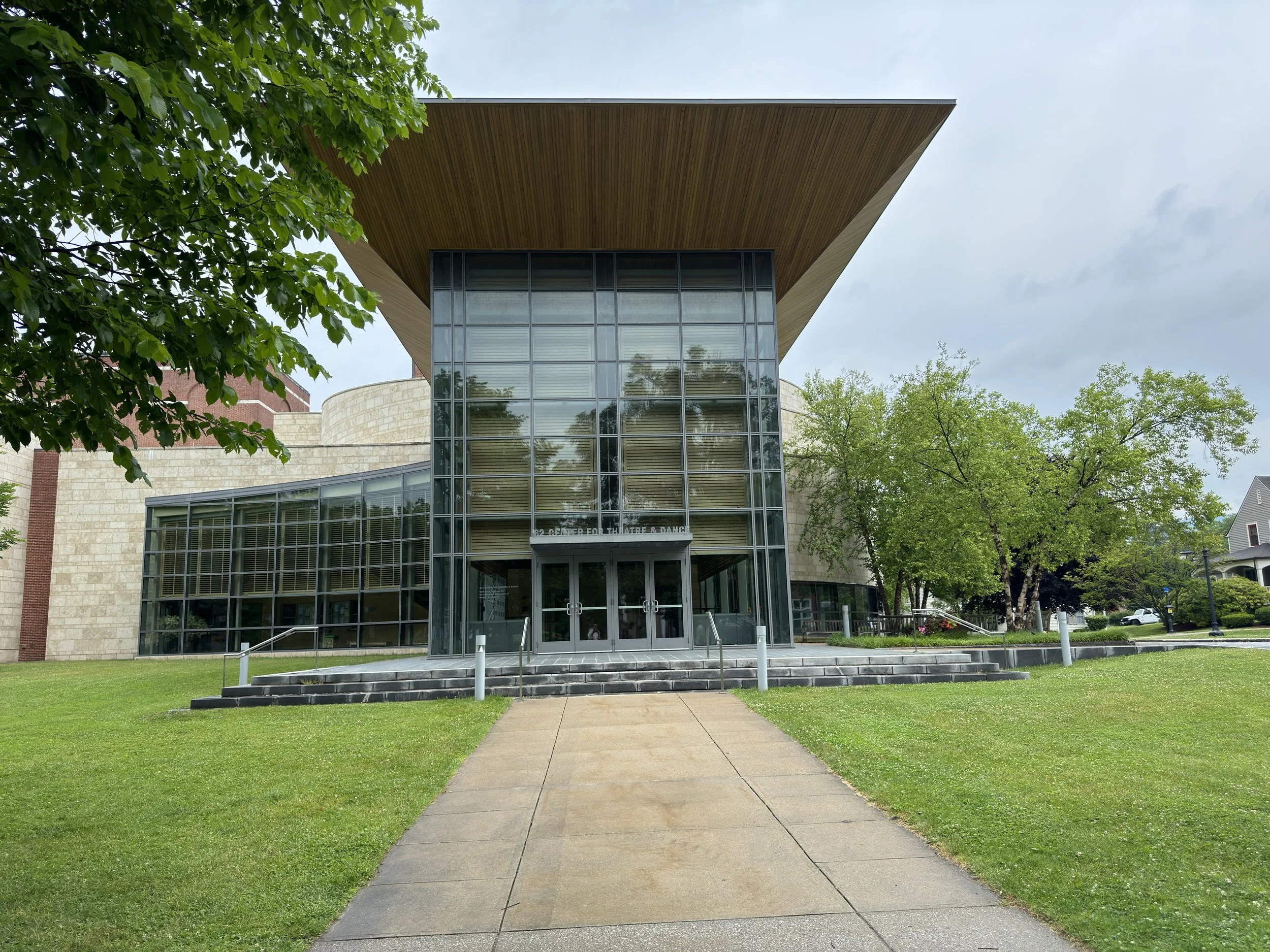
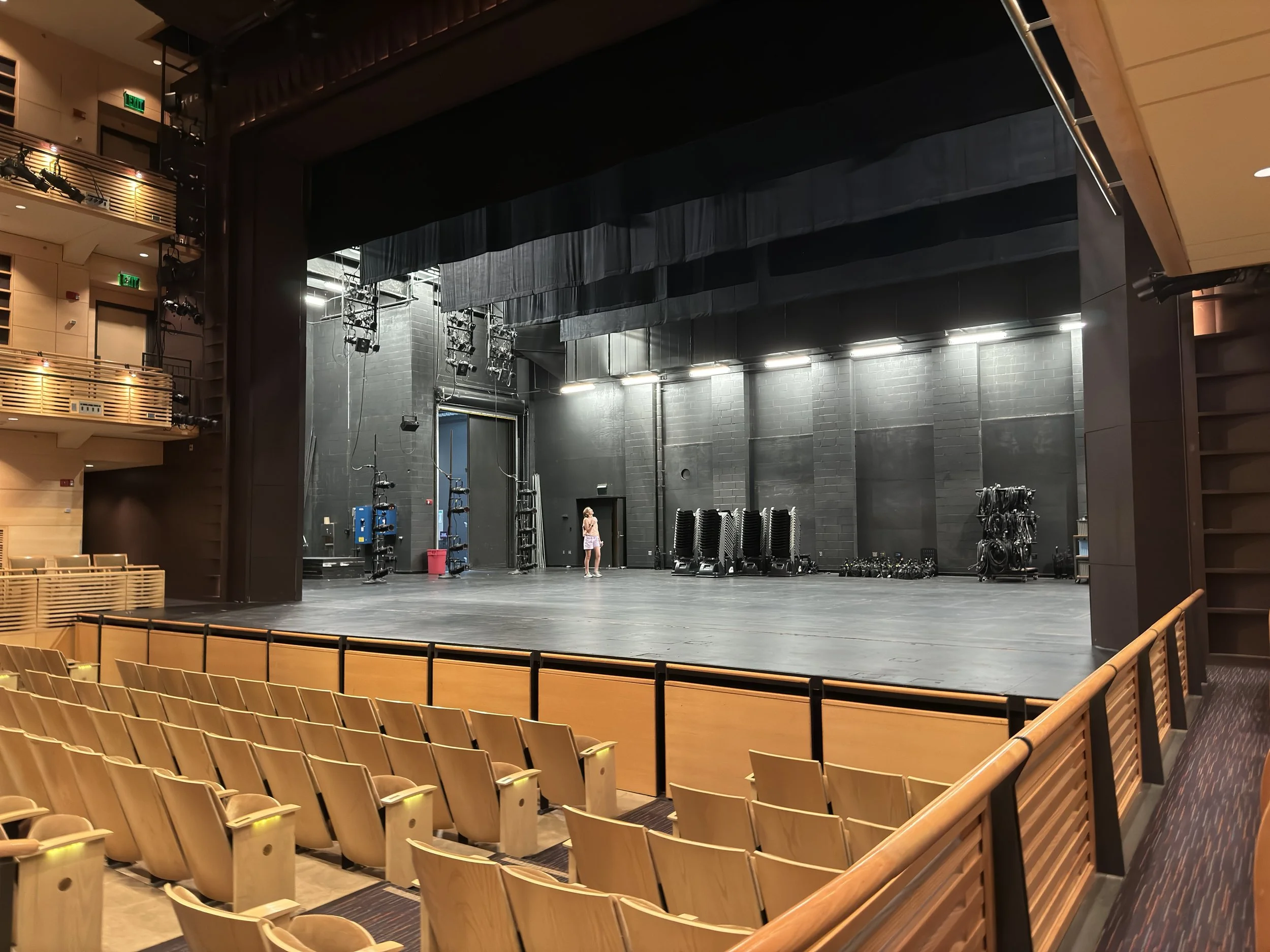
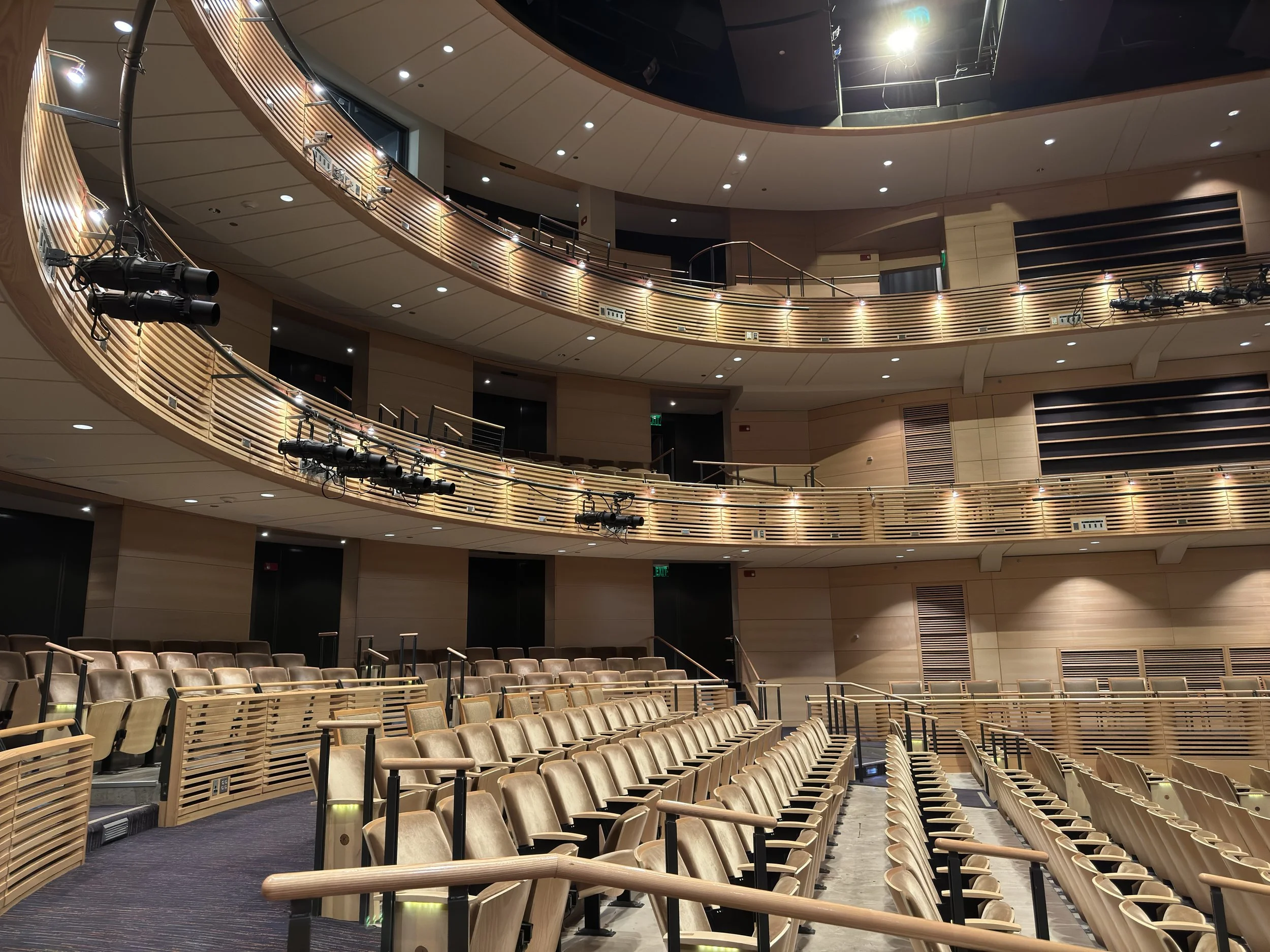
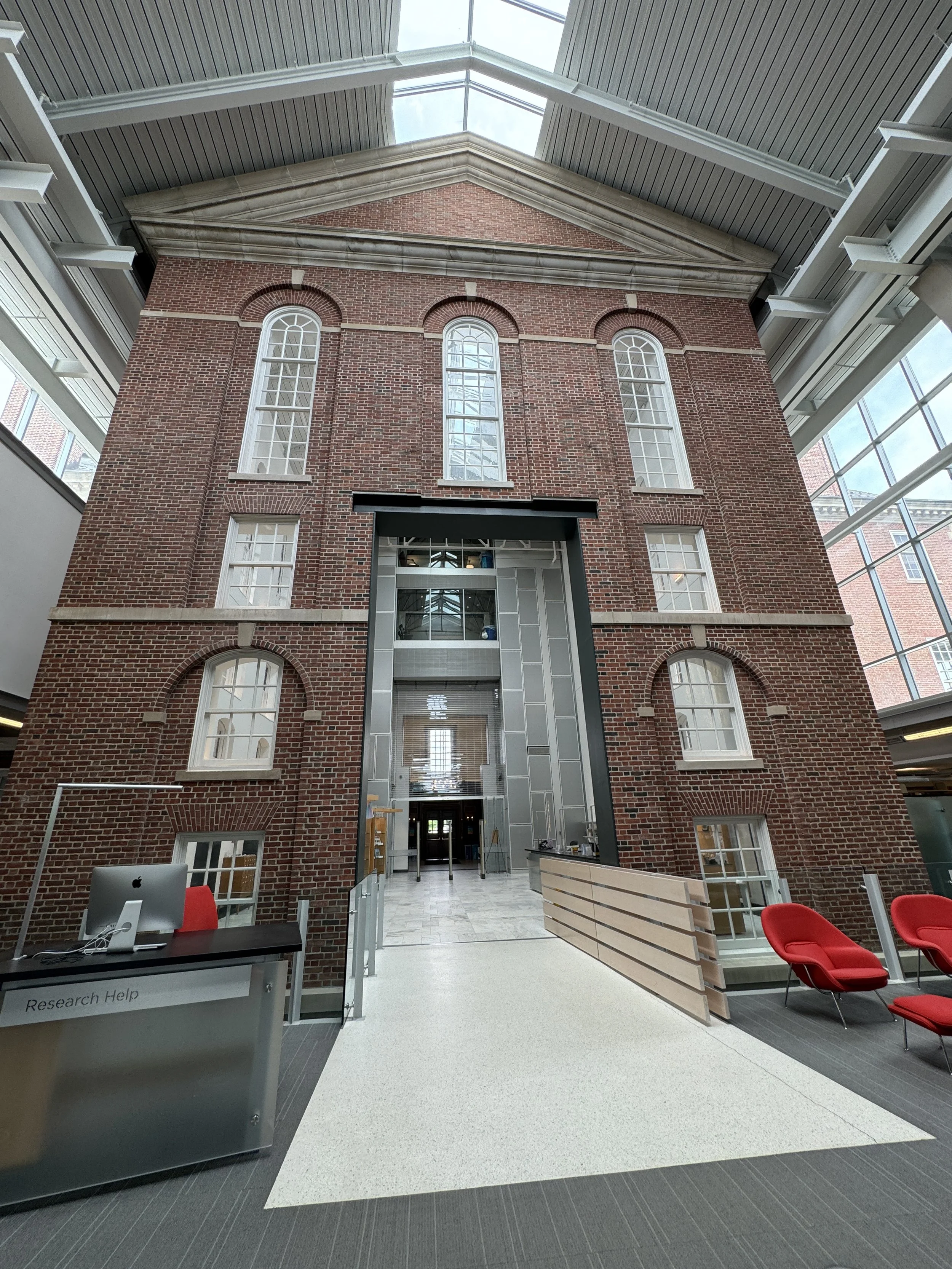
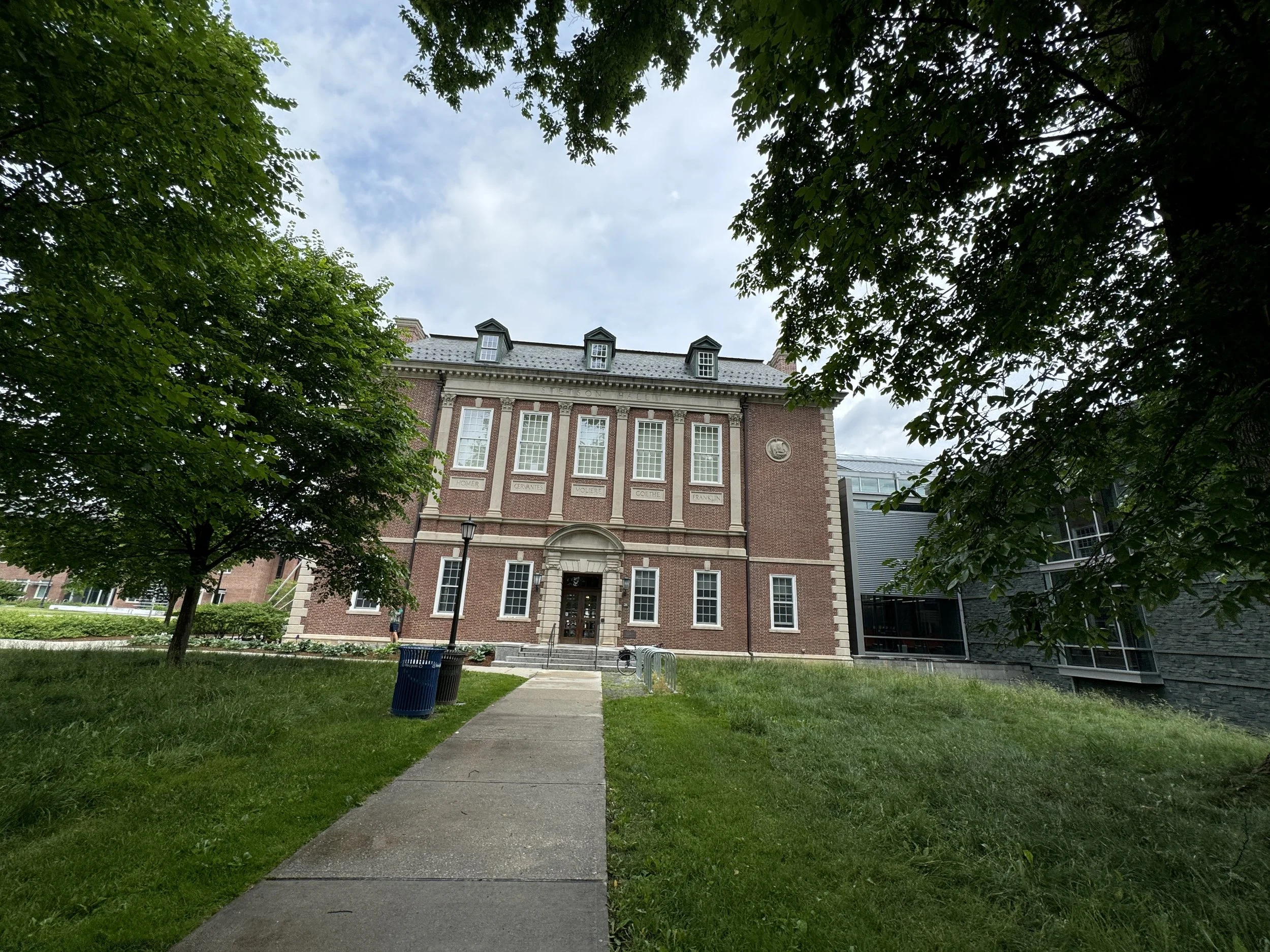
Photos from Williams (Theater)
It’s super easy for students and parents to research schools. Finding that line to not cross as a parent can be a challenge. The first lesson, be realistic what your student gets for grades and what kind of environments work best for them. Next, make sure you are aware of what fields of study they have shown interest in. From what I’ve heard and learned from the college info sessions we attended. The number between the students who know what they want to study, vs. the students who has no idea of what they want to major in, is about 50/50. Now that number will shift dramatically in their freshman year, even though they might not offficially declare until their second year. On our first college road trip, our daughter only had 3 small info session, the majority of the info sessions were from 10-75 students in a session. The smaller group of students were to share more and even mention their interests. While the larger groups got used to the practice of the admission officer askinng student questions and ask for a raising of their of hands to answer.
The undeclared kids who raised their hands, also tend to be the legacy students. How do I know this, when I would talk with their parents during tours, the parents would follow their name with they’re alumni. Or the admission rep would always ask the group if they have alumni members in their family. Then there are the kids who did their research and landed on that school, my kid was included in that group for all her visits. It was interesting to listen to the students talk passionately of what they hoped the school offered. My daughter did this at almost each of the schools. As parents, this is where we need to listen. When she was doing her research, we talked about making sure she looked outside of the box, not falling into the heavily adevertised schools you get from search engines. For her, she was interested in the access to certain opportunities and programs as a non-major student.
A perfect example was my daughters interest in working in the theater community at a school, but not as an acting major. She started doing school shows in Kinder. That following summer, we were sold on a local children theater organization to do larger scale productions. She was hooked, that experience grew into a 12+ year love affair for the stage and eventually find a passion for the written word for stage. Her love then evolved in to other facets of the theater industry, but watching her combine it with her love for writing, has been amazing to watch on and off the stage. Before you begin your hunt, there are two tasks your future college student can do. First, I recommend having them write down all of the areas of college life they would be interested in participating during college. This list will evolve as they move through their Junior or Senior year of High School. As they research one school at a time, they will find the programs/degrees that fit their interest list, but they will also find new areas of interest.
The second list, will be the key components that make the school function. Namely the community that is cultivated through various programs, organizations and groups you student is interested in right now, and possibly in the future. This is the list where you will see specific clubs/ organizations, greek life, publications, even the arts. Keep an open mind. This is not a place where your student needs to fit a certain mold, to get in, this is where they find things that they’re interested in, or curious about. Remember, keep an open mind. This list birthed one key question that my daughter would ask during every info session at each school. “How many and what kind of community organizations are on campus?” Colleges have truly embraced the world of student run organizations and groups to build connections between the students. The numbers of these organizations should really blow you and your student away when the are rattled of by an admissions rep. A lot of this information is already provided on the college admissions site, but it’s a great question for the info session or even the tour guides. Hearing about their personal favorites changes the energy of the conversation while you are on campus., Perspective students questions are important, because the dialogue they create with the student representing the admission department with questions, leads them off script, and you get more honest answers. Typically, the majority of the tour guides and the admissions reps are currently enrolled students or recent alumni. Which make them the perfect person for this information. Listen to them talk about the organizations they have joined, experienced or even want to potentially be apart of. This is a positive dialogue for your perspective student to hear. As parents, watching these student guides come alive with such a question, really assures all the little voices in your head, that question if that is the right place for your student.

Both of these tasks are a great way to keep the conversation open about college with your student. Be careful about the pressure! It’s not only a learning experience about the schools, but a learning experience for parents about the adult and student their future college grad is growing into. My best advice, listen and keep an open mind. That is a lesson coming from a former college tour guide and admission liaison. During my freshman and sophomore year, I worked in the admissions office in both of those roles. I still have good memories of those busy days providing support to admissions and juggling my class load. I met so many amazing people both of those years, and some are friends of mine today.