What to Watch: The Great Fredrick Wiseman
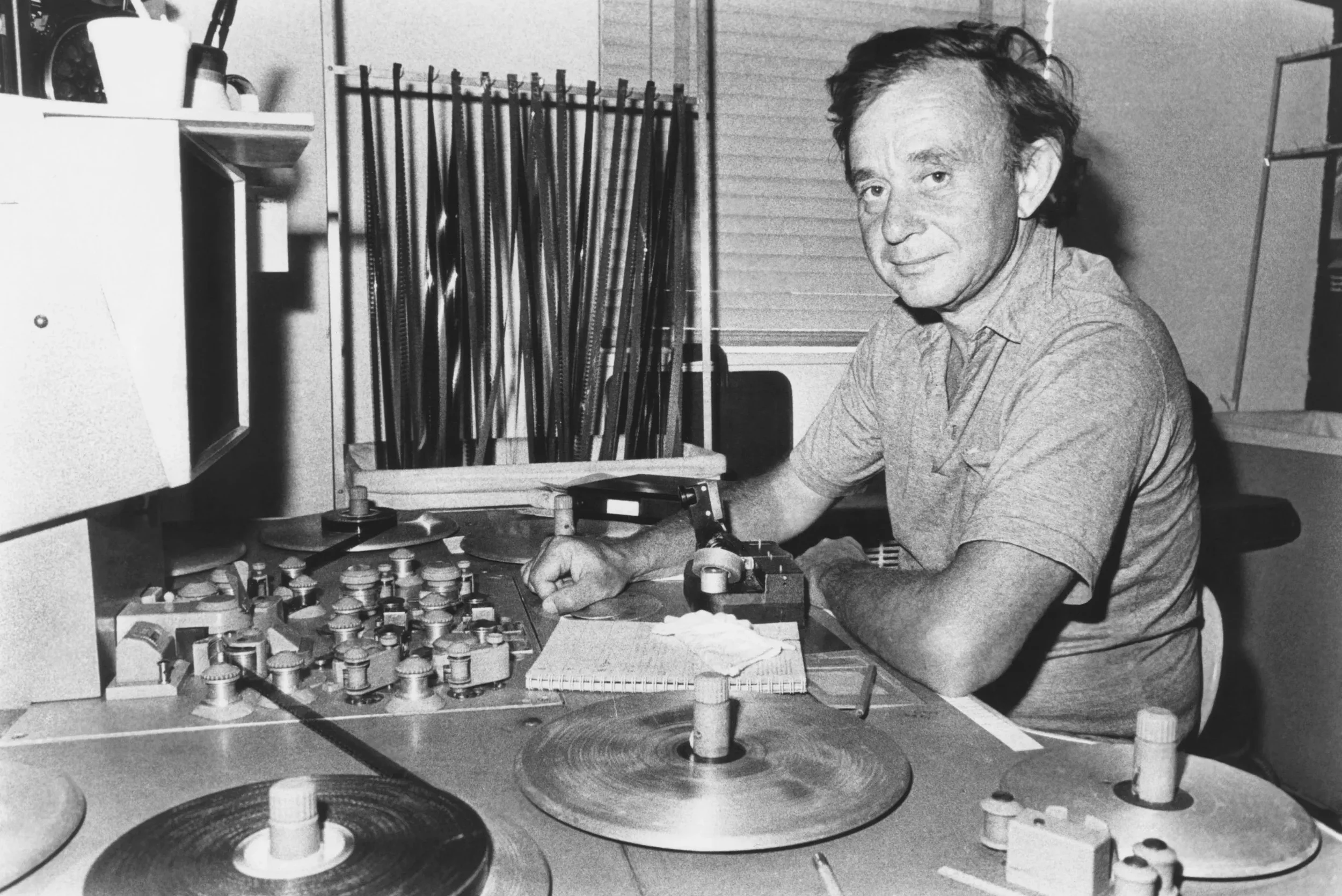
Wiseman in the 1960’s
One of the first documentaries I saw as a child was The Store. In February, I noted the passing of the documentary’s director Fredrick Wiseman and recently ran across the CBS profile which really gives you a good insight into the career and the catalog that Wiseman built with his passion for the art of filmmaking.
The film was a look into the world of department stores, by stepping into the first Neiman Marcus department store in Dallas, Texas. Now, I never went to this store but I spent my entire childhood going to department stores with my mother, just like most kids in the 70’s and 80’s. I went to so many around the bay area, even going with my grandmother and great grandmother. My Nana was an employee at JC Penny for my entire childhood, and we would visit her at work once and a while. My first trip to a department store, while I don’t have memory of going, was immediately right after I was born. Insert here, my shock I never shared this story here on our family blog.
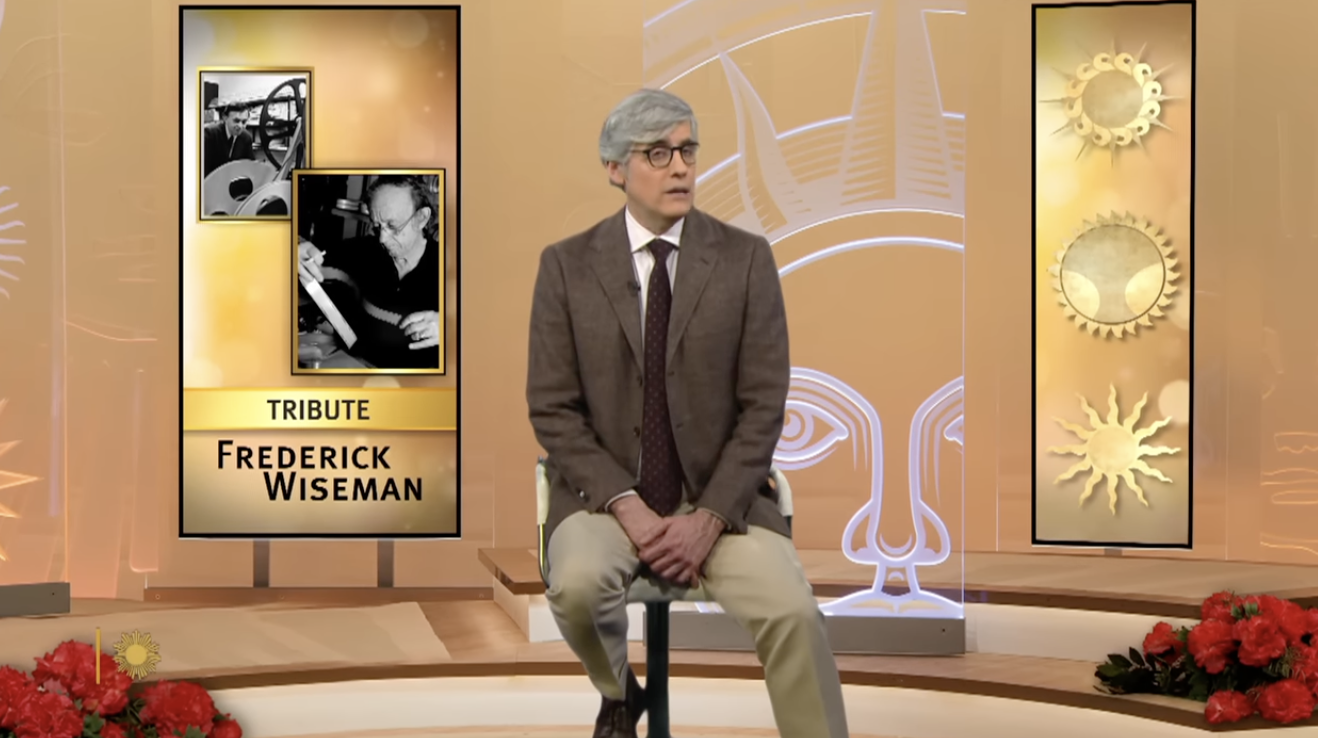
Today Show Tribute to Wiseman
Picture it, it was December 22, 1974. I was home from the hospital the day after I was born. As my mother told this story for over and over for 40 years, her mother was due to come out to the valley, to watch me and my brother while she went out to finished her holiday shopping. Now many times during this story, I wanted to ask my mother, “why didn’t Grammie just do the shopping for you?” In my head I knew I would just get her pausing, looking with side eyes look that read, as if! While waiting for her mother to arrive, she got a call that her car is not starting and my grandfather was already gone. Fast forward, my mother bundled me up, put me in the car with the stroller in the front trunk, my brother off to play at the neighbors house and we were off to Walnut Creek. She continued the story with us arriving at i.Magnin, straight upstairs to the women’s department get her mother something. While wandering in the department a clerk and an elderly customer are gushing over me in the stroller, commenting about full head of hair and cheeks. Now, I was a big baby, almost as big as our eldest at birth. When the two ladies asked how many months I was. My mom said “3 days” but what the ladies heard was 3 weeks and they responded with “he should really be home at three weeks old.” She corrected them by saying, “no he was born last Thursday.” The ladies sneaked and went crazy on my mom, rushing her out of the store, and my mother fighting them the whole time trying to finish her shopping. In all honesty,
I don’t ever remember going back to that store location ever again in my childhood. It would eventually close in the mid-90’s, but have my own memories going to the i.Magnin in SF and Oakland. My mother and grandmother used to have lunches at both locations. We also used to go to Neiman Marcus in SF once a year. Department stores were stepped my generation. From hanging out at the mall, shopping at Macy’s for back to school clothes, to taking the odd inventory shift with my friends at various department stores. Even my brother worked in a department store, if you know him, Chris sold clothes, well not all the time, mostly stock clerk.
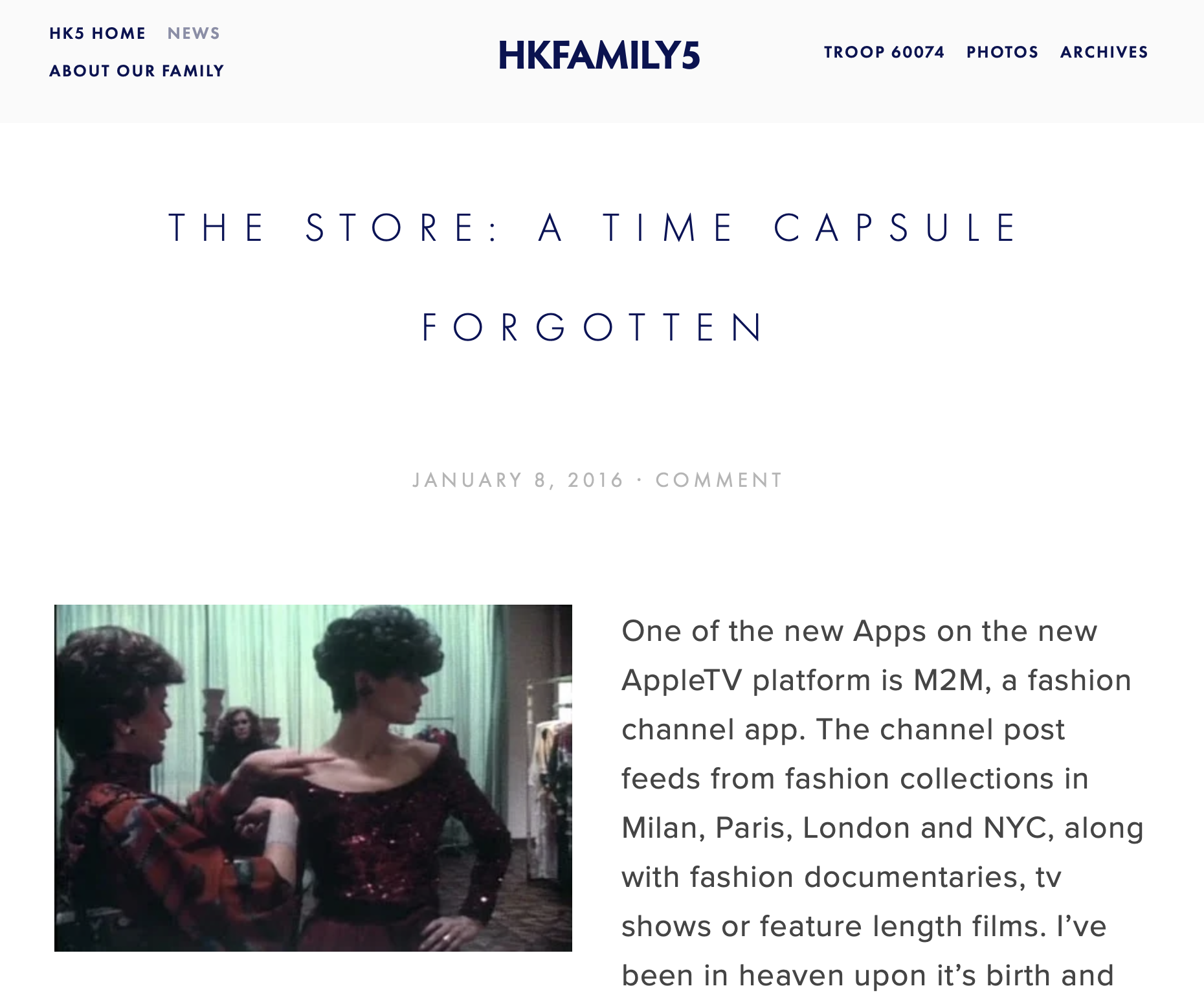
My Oroginal Post in 2016
Back to Mr. Wiseman. As I mentioned The Store was my introduction to Wiseman’s work back in the 80’s on PBS. I believe PBS aired the documentary around Christmas 1984. My childhood in the 70’s and 80’s was steeped with PBS on the television. A year later I remember watching High School and also Welfare, both were documentaries that Wiseman filmed back in the 70’s. The Welfare documentary really opened my eyes and I still remember that honest conversation with my mother about how we really live in a bubble in my hometown. Growing up we would drive around many neighborhoods in Oakland and San Francisco and my parents would tell us about the importance of being kind and giving. But we never stopped. I carried on this education with my kids, but we have been known to walk through neighborhoods that deserve more care, looking away. Did I tell you about the time Paley walked away from us and around a corner in NYC in alphabet city, and we found her chatting up a homeless person. Over the next decade or so I would try to watch a few of Wiseman’s docs from time to time.
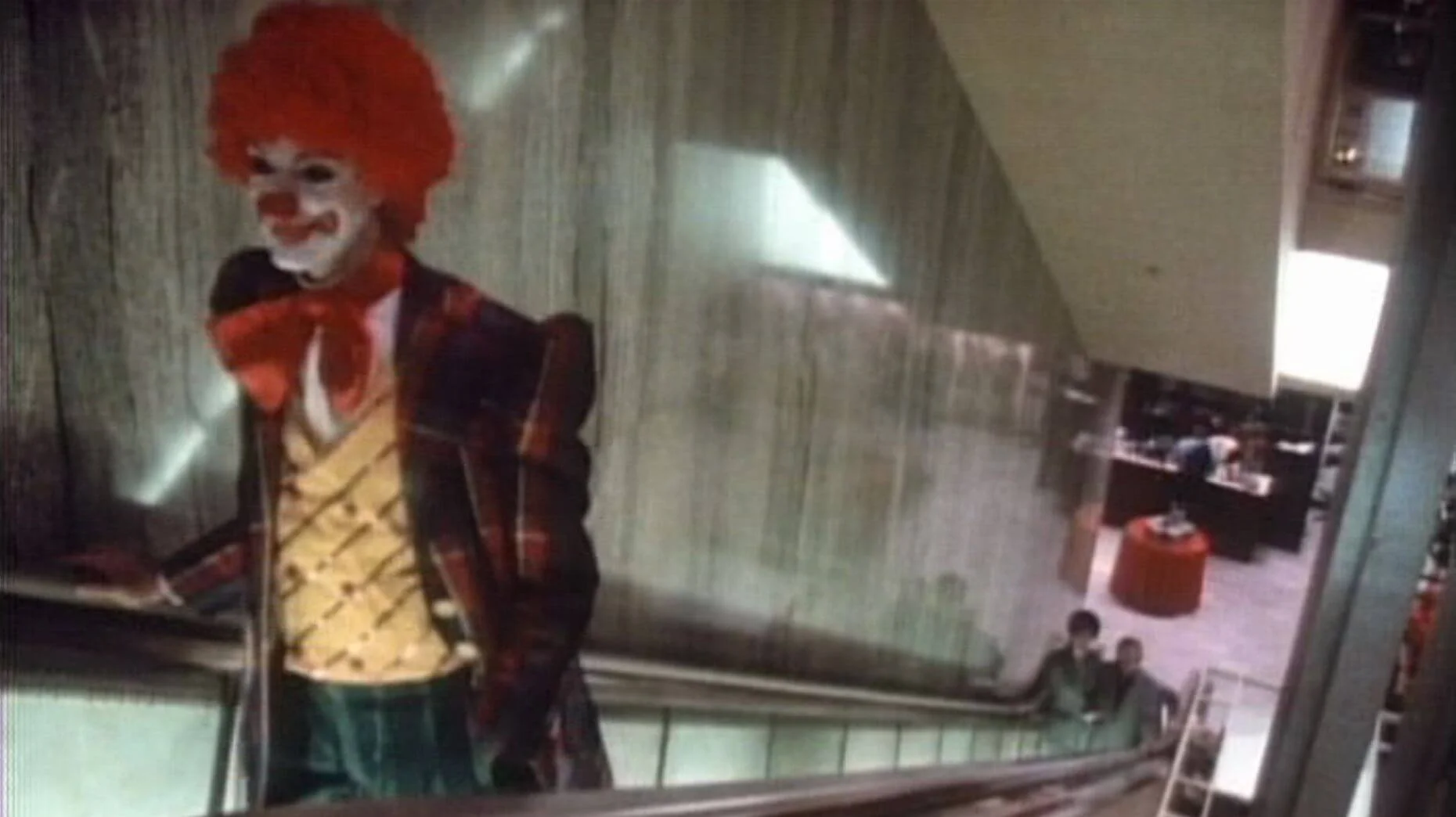
Now, these docs are long and they really sit you down in a world that many are living. Yes, The Store was about opulence and grandeur, but what I was fascinated about, were the people who worked in the store, the love for fashion and the environment Wiseman was trying to capture of the employees working in a place, they might not even afford the smallest little bauble. I wrote about this documentary during the holiday season in 2016.
Look back that post was very limited, my rough days I guess. I did have two four year olds at home most the time. My mother was there that night when I found The Store listed on app called M2M (these were the early days of AppleTV), she and I watched again, and we even talked about how we watched it over 30 years ago. I’ve watched that documentary a few more time since then. Sadly M2M is no longer available but kanopy.com has an app where you can watch all Fredrick Wiseman’s movies for free, with your local library card.
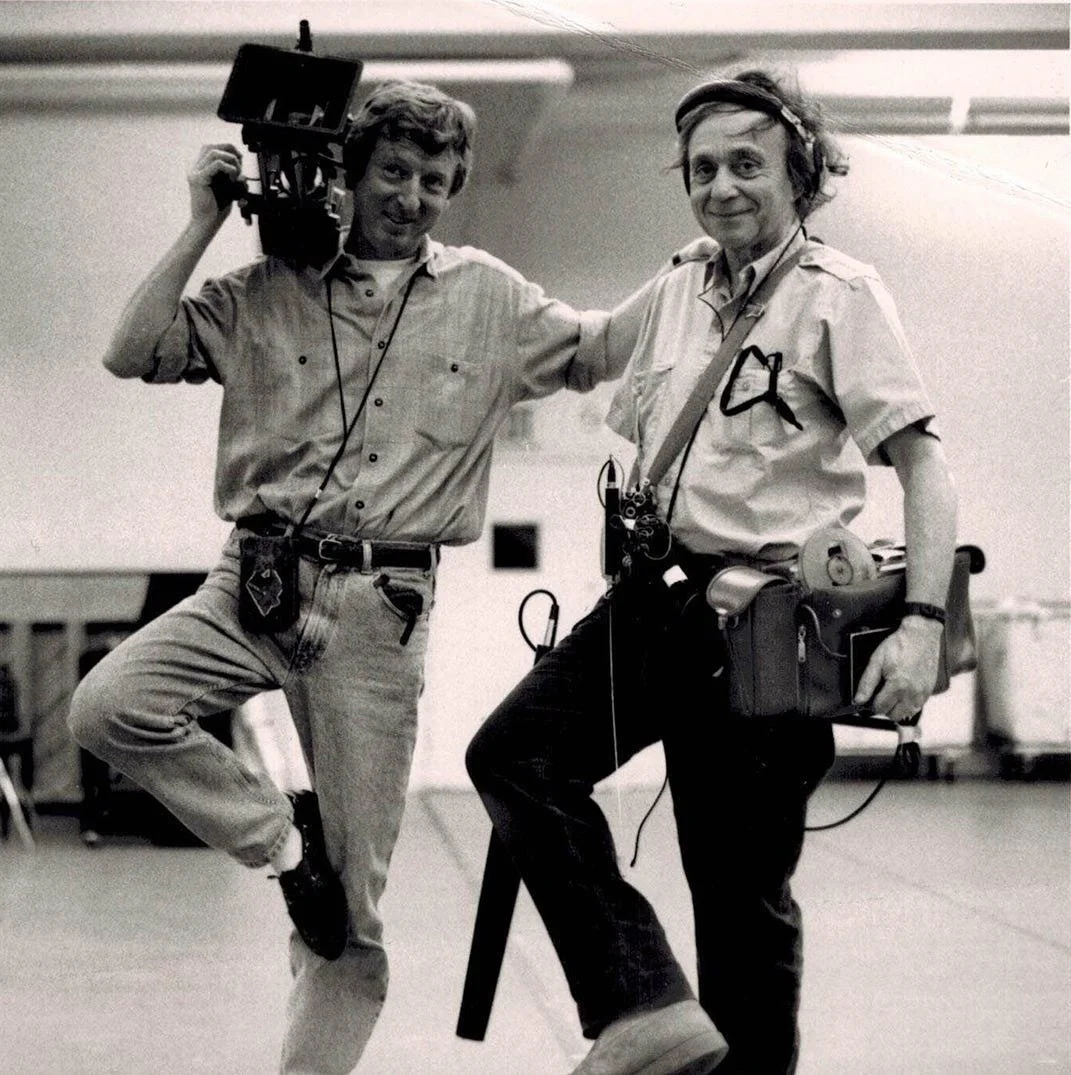
Wiseman was a true artist, telling human stories, and documenting humankind. What is amazing is know he did it with true conviction, ensuring his films be kept as is, untouched, unedited, and accessible to whoever wants to watch them. While many of his docs are dark, they transport you back to a time you forgot or we as a people forget. In it’s purest form, Fredrick Wiseman and other documentarians, like the Maysles brothers, opened doors you have never thought to look through. More importantly, they give you the ability to see what was once was, is still true today, and this is where the darkness lies. Human inability to learn from the past. While progress like women’s rights, ending segregation, LGBTQ+ rights have all made strides. Looking back at a time where women were expected to sit silent in the workforce, or holding back the tears after escaping hell. The pain is very real then in these films and very much present today.
So if you like to work with a movie or docu playing the background. Check out one of many Frederick Wiseman docs, there are so many. Fair warning, if you start with the beginning of his career, his first films were very dark. From his first project Titicut Follies which was a window into a state hospital that held the criminally insane. This movie was controversial right out the gate. The reality setting, provided Wiseman to show it’s subjects in their raw moments. Not just the patients, but even the employees who were filmed in questionable situation and disheartening treatment of the inmate. The film was released to the festival circuit 1967 and it was met with legal battles that managed to shelve the film, and even receive order for it to be destroyed. The film was filmed at Bridgewater State Hospital in Massachusetts, and the state filed suits to have the film destroyed.
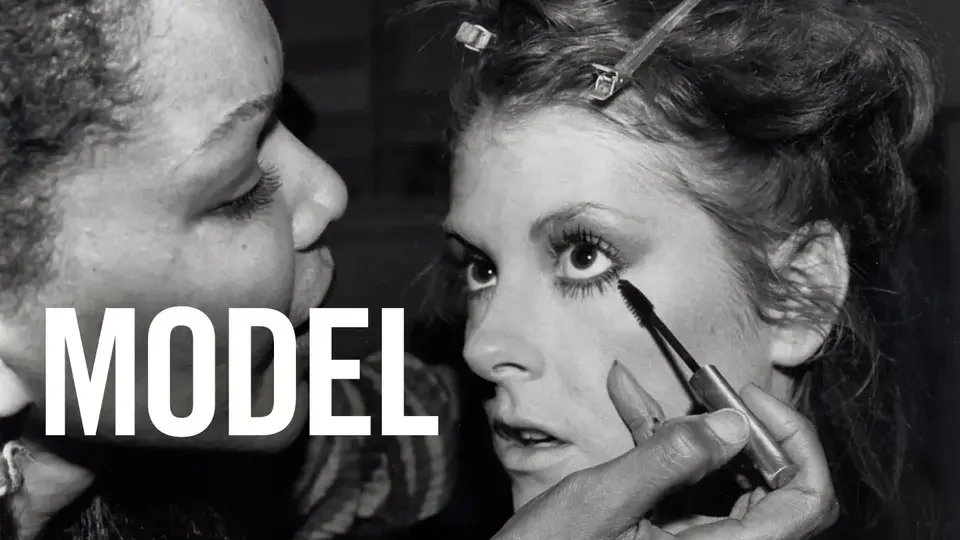
By 1969 Wiseman was allowed to show the film to certain industries like medical, legal, social work and health. The film would go on to be used as evidence by patient/inmates for their mistreatment during their stay at the hospital. In 1991 the film was finally allowed to be released to the public. A judge overturned the previous ruling due to it’s violation of Wiseman’s first amendment right. By 1992 PBS was the only network on TV to show Wiseman’s work. Showing almost all of his 30+ films that he released between 1976-1991. What is amazing is the Wiseman was shooting and releasing documentaries well into the his 90’s, finally retiring at the age of 93. Of course I cannot finish this post without touching on his 1981 documentary MODEL. Shot in New York City during 1979 & 1980, I didn’t see this documentary until the 1990’s, thanks to one of my neighbors.
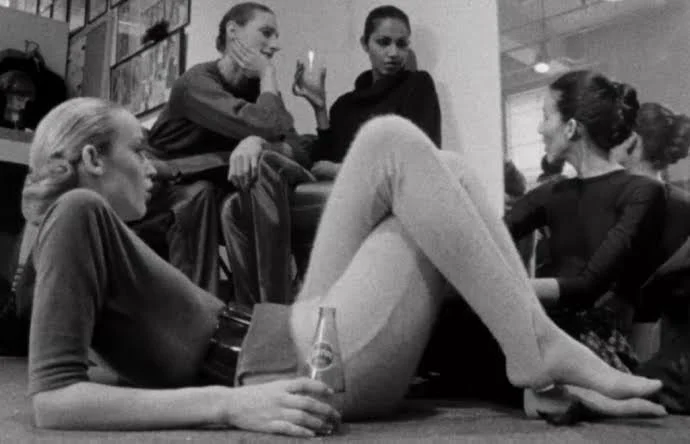
Still shot from Model
In High School, I was on the board of the Fashion Club for several years. My freshman year a neighbor of mine approached me to do private lessons for her two children in her backyard. After a few visits, the mom, who’s name was Brucci, I know I am butchering the spelling, started to let me in the house, yes that’s a thing! And I noticed all of the silver gelatin prints of her modeling days throughout the living area and entry. She had photos she sat for Arthur Elgort and even Chris von Wangenheim. In my sophomore year, I was telling her I was working on finding judges for the model tryouts that were not staff members. She said she would be interested in helping with that and would she would sit as a judge for me for two years. She was amazing and was really helpful with all the students who were trying out.
The staff advisor, Mrs. O’Connor really had some great conversations with Brucci that I would listen on, the handful of time they were together. Bruce mentioned that she was actually in several documentaries during her career in the 80’s. One being Wiseman’s 1981 Model documentary. At the end of the docu,Wiseman filmed Oscar de la Renta studio and his show. Mrs. O’Connor managed to get a copy from the county library system and showed it some of the board that year. I can still pick her out in the movie today. While Wiseman showed how the industry worked and how the models were moved and treated like mannequins. I was lucky to see this first hand, thanks to two exes who got me into these shows and designer studios in the early 90’s. I still need to watch his film Ballet docu, which was a look into ABT back in 90’s and it showcased Susan Jaffe and Julie Kent a two dancers I got to meet while waiting tables at Hayes Street. More on Hayes Street later.